Farmers Urged to Protect Maize as Rains Raise Risk of Moisture Damage
The message to maize farmers is simple: protect what you have already harvested.
The Ministry of Agriculture has urged farmers to ensure their maize is properly secured as rains continue in some parts of Zambia, warning that exposure to moisture could lead to grain damage and increase post harvest losses.
The warning comes against the backdrop of an unusually strong maize reserve position.
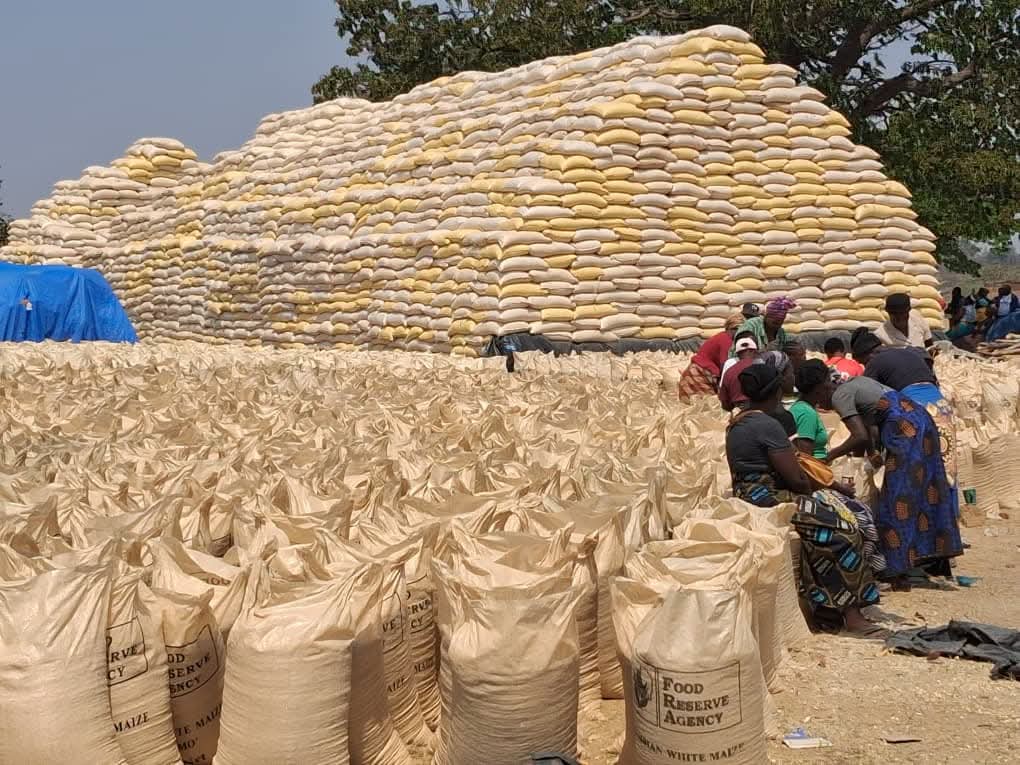
The Food Reserve Agency says Zambia now holds about 3.1 million tonnes of maize in national strategic reserves, a level described by FRA Executive Director Justin Chuunka as historic.
Speaking during an inspection of the FRA's Kabuyu satellite depot in Kazungula, Chuunka said the reserves give the country sufficient stocks to safeguard national food security.
The stock includes maize carried over from previous marketing seasons alongside grain being purchased from local farmers during the current buying exercise.
But while the country builds its reserves, attention is also turning to what happens to maize before it reaches secure storage.
At Kabuyu, depot officials reported that the facility is processing roughly 2,000 bags of maize every day from five agricultural camps. However, a shortage of empty grain bags has slowed the purchasing process.
An estimated 20,000 bags are still in the hands of farmers, with local officials calling for urgent replenishment of grain bags ahead of the rainy season.
Musokotwane Camp Agriculture Committee Chairman Jimmy Maiba also pointed to another pressure created by the strong harvest, saying farmers need additional satellite depots to make it easier to deliver their produce.
The FRA says it is continuing to purchase grain from farmers while strengthening storage operations and maintaining quality standards. The agency has also deployed its property director to help optimise available storage capacity.
According to the FRA, maize being received during the current buying exercise is being graded as top tier white maize.
With rains now affecting parts of the country, the focus is therefore not only on how much maize Zambia has produced, but also on how much of that harvest can be kept in good condition.
For farmers, proper storage and protection from moisture could make the difference between preserving valuable grain and suffering avoidable post harvest losses.
Chuunka has since continued his tour of regional satellite depots as the national maize buying exercise progresses.